

7 Things to Share Before an Installation
Tips
2 Min Read
The product, wall and access details that help turn an idea into a clear installation scope.

1. The exact items
Begin with an item list. Identify how many pictures, TVs, mirrors, shelves or furniture units need attention. A mixed list is easier to scope when each type is counted separately. Include product links or model numbers where you have them.
2. Dimensions and weight
Share the outside dimensions of framed art and mirrors, the diagonal screen size of a TV, and the model or configuration of furniture. Use net product weight for a mirror rather than its shipping weight. If you do not know, say so and provide a product link; guessing a heavier price band is not the answer.
3. The intended placement
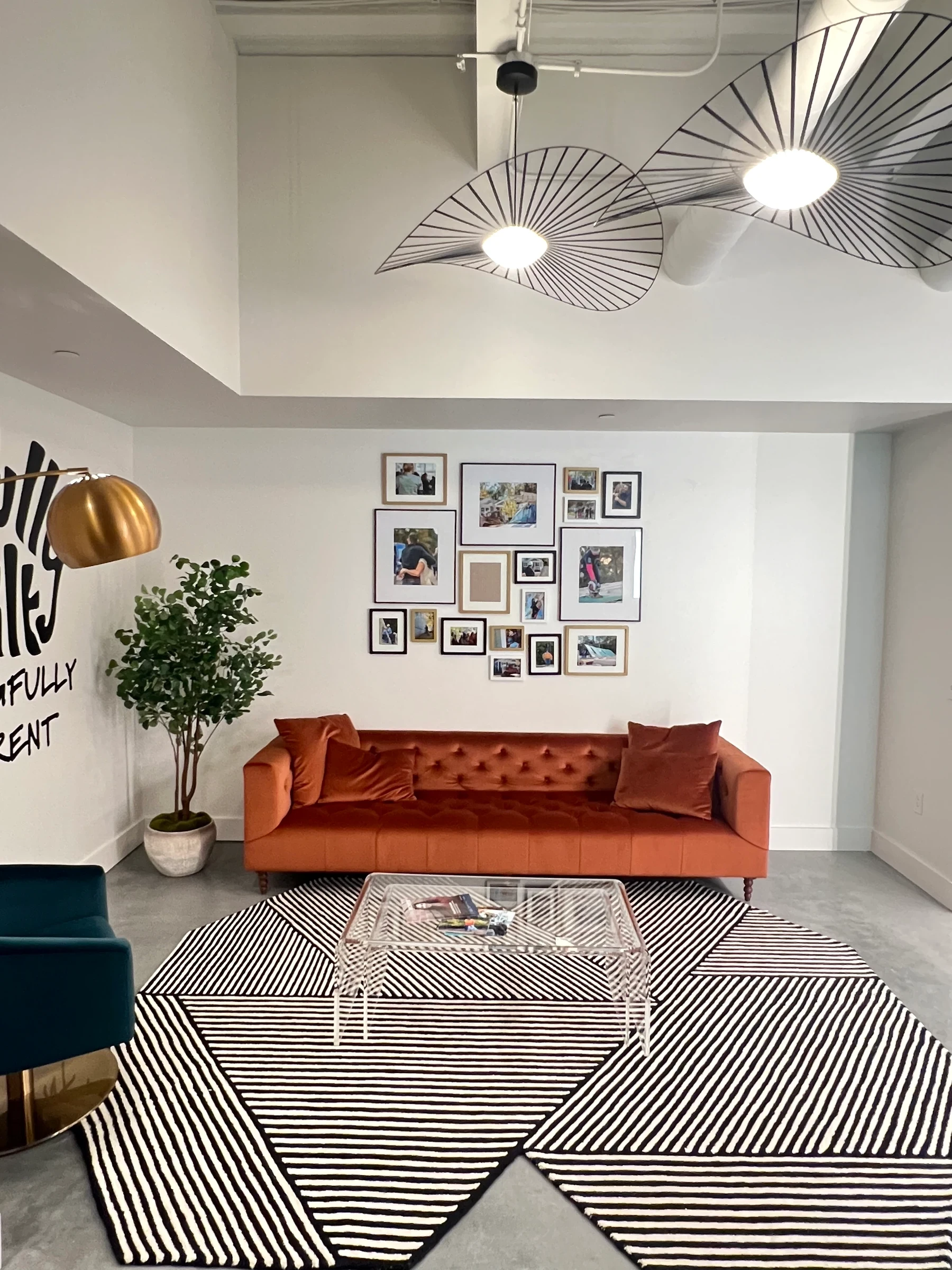
Take a photograph that shows the whole wall and nearby furniture. Describe the position you are considering and any arrangement you want to preserve. For a gallery wall, include the full group of pieces rather than only its largest frame.
4. The wall and surrounding finishes
Identify the wall material if known and show visible tile, masonry, paneling, trim or other finishes. Appearance alone does not establish the supporting material. Those details can change the work, hardware or review needed before installation.
5. Height and access
Mention stairs, tall walls, narrow passages, parking constraints and other access conditions. A high stairwell arrangement needs different planning from a picture at an easily reached height. Share the setting so crew and equipment requirements can be considered.
6. Hardware, parts and instructions
For a TV, identify whether you have a compatible mount. For art or mirrors, photograph the existing hanging hardware. For furniture, have complete parts and the manufacturer instructions. Note anything missing or modified instead of assuming a standard package covers it.
7. The extras and next step
List layout help, cable treatment, taking down existing items, moving, uncrating or haul-away separately where relevant. Review service minimums and selected charges together. The planner is a useful starting point, while the complete scope, price and availability are confirmed through booking.
Keeping these details together makes it easier to explain the work and revisit the plan. Copy the planner summary if helpful; its choices are not automatically transferred into booking.
Plan your installation
More Articles


Handydux
Handydux provides art, TV, mirror and general mounting, and furniture assembly across Raleigh, Durham, Cary, Chapel Hill and the surrounding Triangle. These guides help customers prepare the details for their installation.
Similar Topic